Master SQL Server BI Stack (SSIS, SSAS, SSRS)
Build end-to-end Microsoft BI solutions: ETL with SSIS, analytical models with SSAS and paginated reports with SSRS on SQL Server.
Start Learning
Join learners who transformed their careers with MITS Edge.
Program Overview
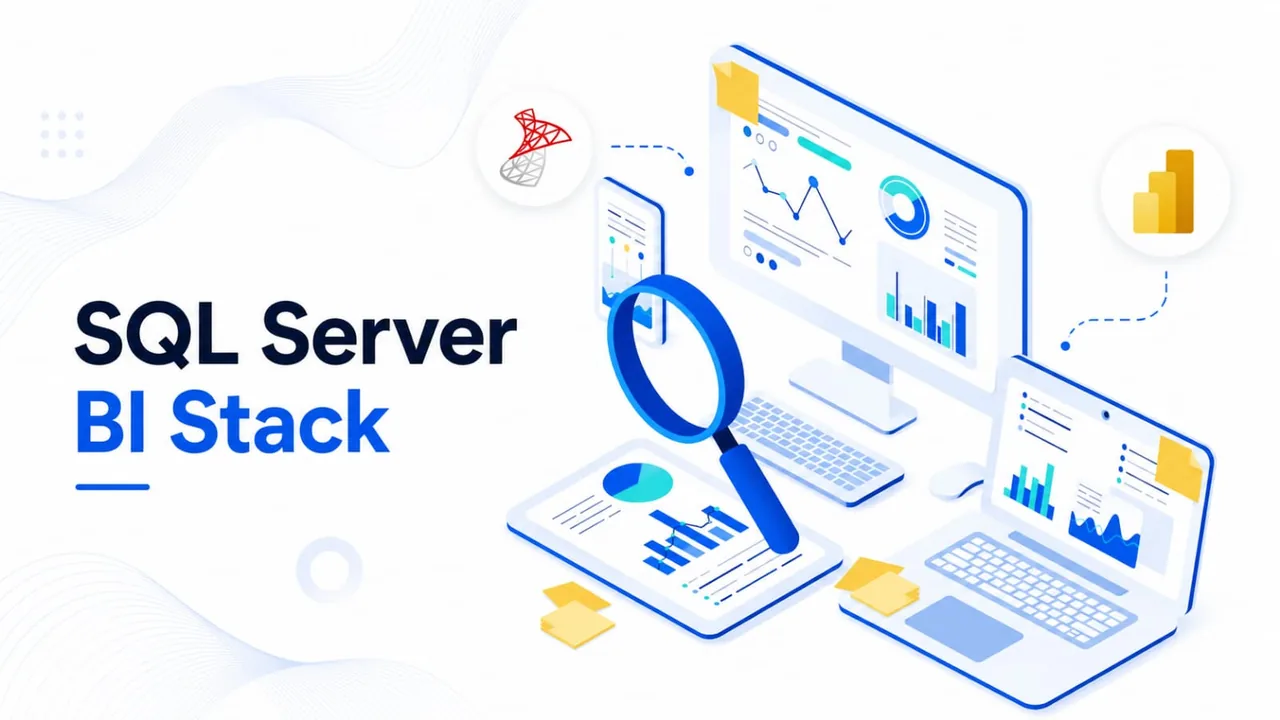
SQL Server BI Stack (SSIS, SSAS, SSRS) is an intermediate-level live online course running 8 weeks (60 hrs), priced at $800 USD, taught by instructors in evening and weekend cohorts for learners in the US and Canada, with a certificate of completion.
Build end-to-end Microsoft BI solutions: ETL with SSIS, analytical models with SSAS and paginated reports with SSRS on SQL Server. What you will build: an SSIS ETL package, a tabular SSAS model and a parameterised SSRS report. Tools and technologies: SQL Server, SSIS, SSAS, SSRS, T-SQL, Visual Studio, Power BI integration. Format: 60 hours of live, instructor-led online training over about 8 weeks, in evening and weekend cohorts for learners in the US and Canada, with hands-on labs, recorded sessions and mentor support. Career pathways: BI Developer, ETL Developer, Reporting Analyst, Microsoft BI Consultant. Resume review and interview guidance are available to all learners.
Course Highlights
- 60 hours of live instructor-led training
- Hands-on projects and real-world labs
- Tools: SQL Server, SSIS, SSAS
- Certificate of completion
- Career guidance for US & Canada job market
- Recorded sessions and mentor support
Minimum Requirements
- T-SQL fundamentals
- Laptop or desktop with stable internet
Who is this for ?
- SQL Server developers moving into BI
- Reporting analysts in Microsoft shops
- ETL developers adding SSAS/SSRS skills
Curriculum
Course Curriculum
5 modules · 18 topics0 hours total
- 1Components
- 2development environment
- 3project structure
Industry-Recognized
Certification
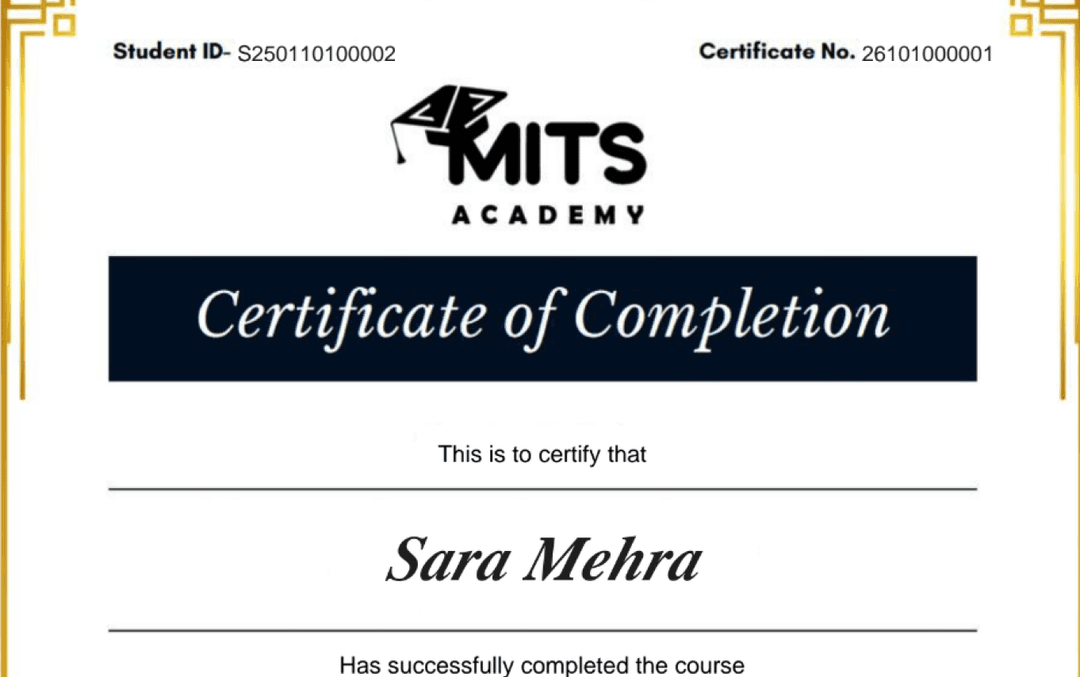
Upon successful completion, you receive a certificate of completion for the SQL Server BI Stack (SSIS, SSAS, SSRS) program that you can share with employers and add to your LinkedIn profile — a record of the hands-on skills and projects you completed.
- Verifiable ID: Unique credential link for LinkedIn.
- Skill Validation: Proof of hands-on project completion.
- Corporate Branding: CO-branded with your company logo.
Student Reviews
Why learn this online
Business Intelligence and data warehousing sit at the center of how companies turn raw data into decisions. Learning tools like Power BI, Tableau, or a modern warehouse platform online, in a live cohort with real datasets, builds the dashboard and modeling portfolio hiring managers actually screen for — without needing a data science background.
Who this is for
- ✓Analysts wanting to specialize in dashboards and reporting
- ✓SQL-comfortable professionals moving into BI tooling
- ✓Career switchers targeting enterprise data roles
Career outcomes
- BI Developer
- BI Analyst
- Data Warehouse Engineer
- Reporting & Analytics Specialist
Frequently asked questions
How much does the SQL Server BI Stack (SSIS, SSAS, SSRS) course cost?
The SQL Server BI Stack (SSIS, SSAS, SSRS) course costs $800 (USD) for 8 Weeks (60 hrs) of live, instructor-led online training. The fee covers live classes, recorded sessions, hands-on projects, mentor support and the certificate of completion.
What projects will I build in SQL Server BI Stack (SSIS, SSAS, SSRS)?
You will build an SSIS ETL package, a tabular SSAS model and a parameterised SSRS report.
Which tools and technologies does SQL Server BI Stack (SSIS, SSAS, SSRS) cover?
SQL Server BI Stack (SSIS, SSAS, SSRS) covers SQL Server, SSIS, SSAS, SSRS, T-SQL, Visual Studio, Power BI integration.
Is the SQL Server BI Stack (SSIS, SSAS, SSRS) course online or in person?
The SQL Server BI Stack (SSIS, SSAS, SSRS) program is delivered live and online with instructor-led sessions, so you can join from anywhere in the US, Canada, or beyond. Sessions are interactive and recordings are available for review.
How long is the SQL Server BI Stack (SSIS, SSAS, SSRS) course?
The SQL Server BI Stack (SSIS, SSAS, SSRS) program runs for 8 Weeks (60 hrs). Cohorts are scheduled in the evenings and on weekends to fit around a full-time job.
What level is the SQL Server BI Stack (SSIS, SSAS, SSRS) course — is it suitable for beginners?
The SQL Server BI Stack (SSIS, SSAS, SSRS) program is pitched at a intermediate level. Some prior familiarity helps, and the curriculum builds toward job-ready skills.
Do I get a certificate after completing SQL Server BI Stack (SSIS, SSAS, SSRS)?
Yes — you receive a verifiable certificate of completion for the SQL Server BI Stack (SSIS, SSAS, SSRS) program, which you can share with employers and add to your LinkedIn profile.
Does the SQL Server BI Stack (SSIS, SSAS, SSRS) course include placement or career support?
Yes. MITS Edge programs include career support — resume reviews, mock interviews, and job-search guidance aligned to the US and Canadian hiring markets.
Do I need any prior experience to join SQL Server BI Stack (SSIS, SSAS, SSRS)?
Recommended prerequisites: T-SQL fundamentals; Laptop or desktop with stable internet.
Which BI tool should I learn first — Power BI or Tableau?
Power BI has the broadest enterprise adoption, especially in Microsoft-centric companies; Tableau is strong in analytics-heavy organizations. The underlying skills — data modeling, DAX/calculations, dashboard design — transfer between the two.
Do I need to know SQL for BI roles?
Yes, SQL is foundational for BI and data warehousing work — most programs teach it alongside the BI tool itself.
Related Courses
SAP BW & SAP HANA
Learn SAP BW/4HANA data modelling and SAP HANA fundamentals — InfoProviders, data flows and reporting for enterprise analytics on SAP landscapes.
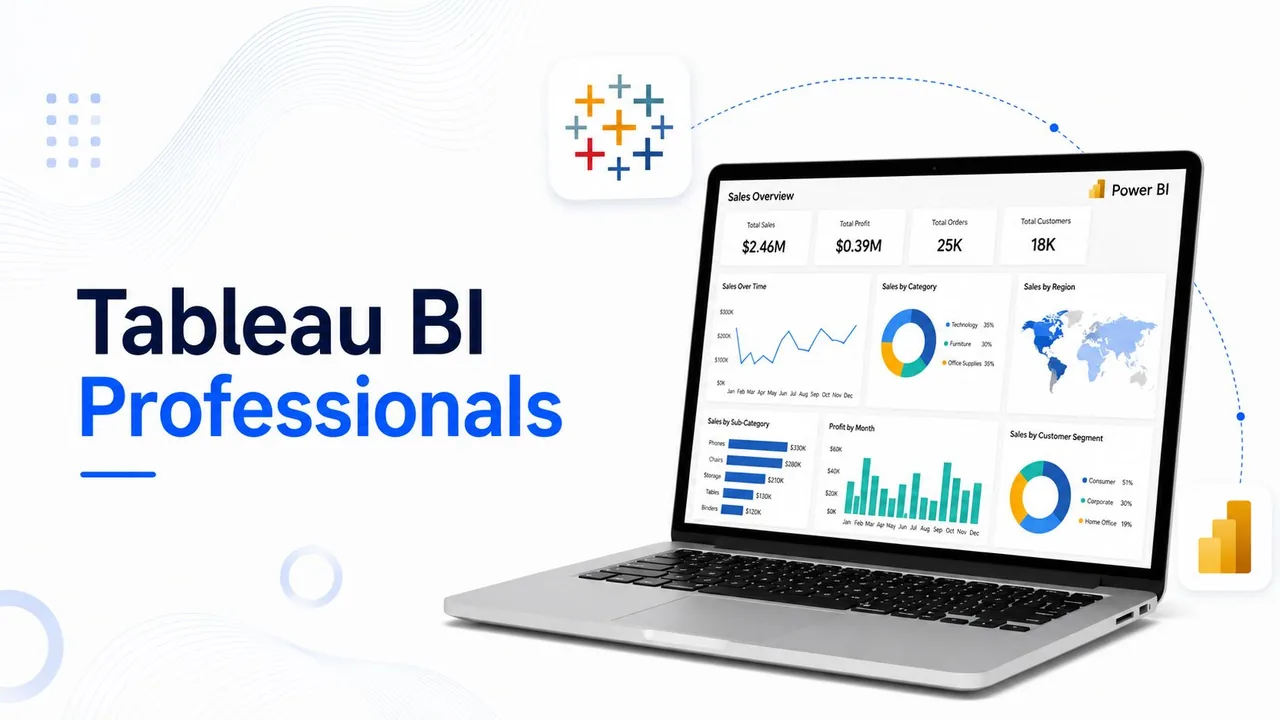
Tableau for BI Professionals
Go beyond basic charts: build advanced Tableau dashboards using calculations, LOD expressions, parameters and performance best practices.
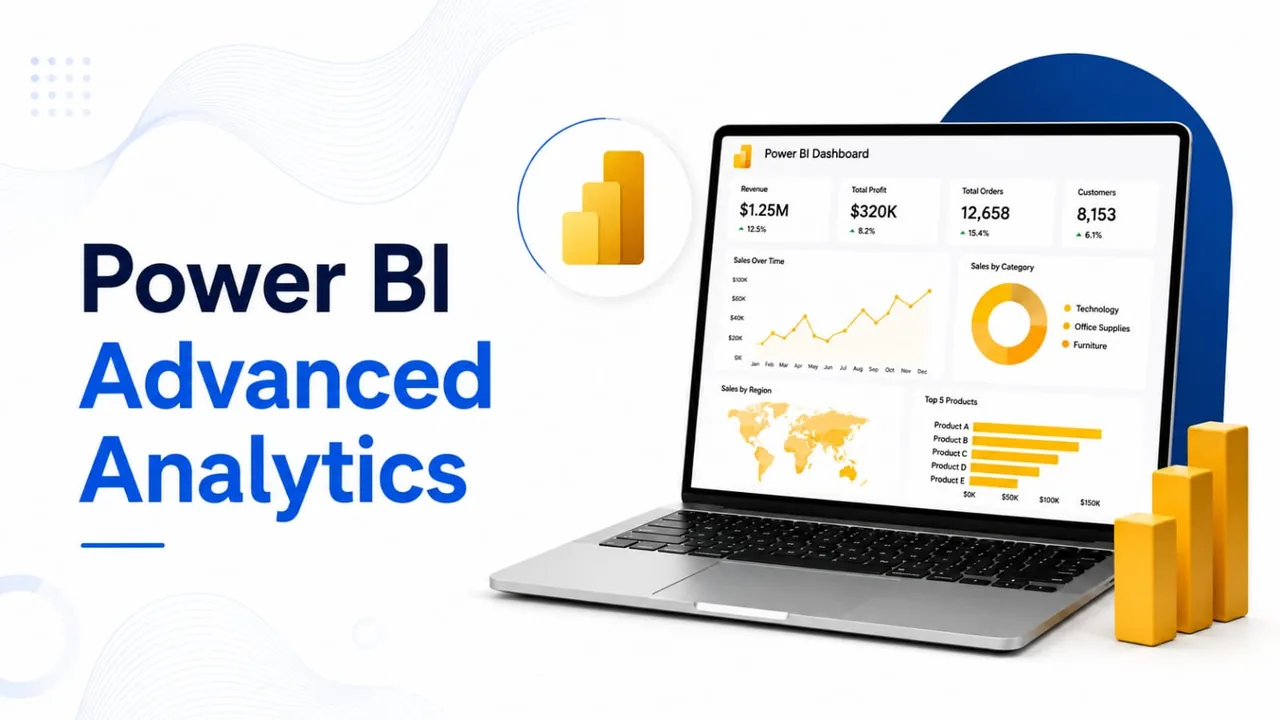
Advanced Power BI & DAX
Master DAX and advanced Power BI modelling — measures, time intelligence, row-level security and performance tuning for production-grade reports.
Dimensional Modeling
Learn Kimball-style dimensional modelling — facts, dimensions, slowly changing dimensions and schema design patterns that make analytics fast and understandable.