Master Kafka Stream Processing
Build real-time data pipelines with Apache Kafka — topics, producers, consumers, Kafka Connect and stream processing patterns used in modern event-driven architectures.
Start Learning
Join learners who transformed their careers with MITS Edge.
Program Overview
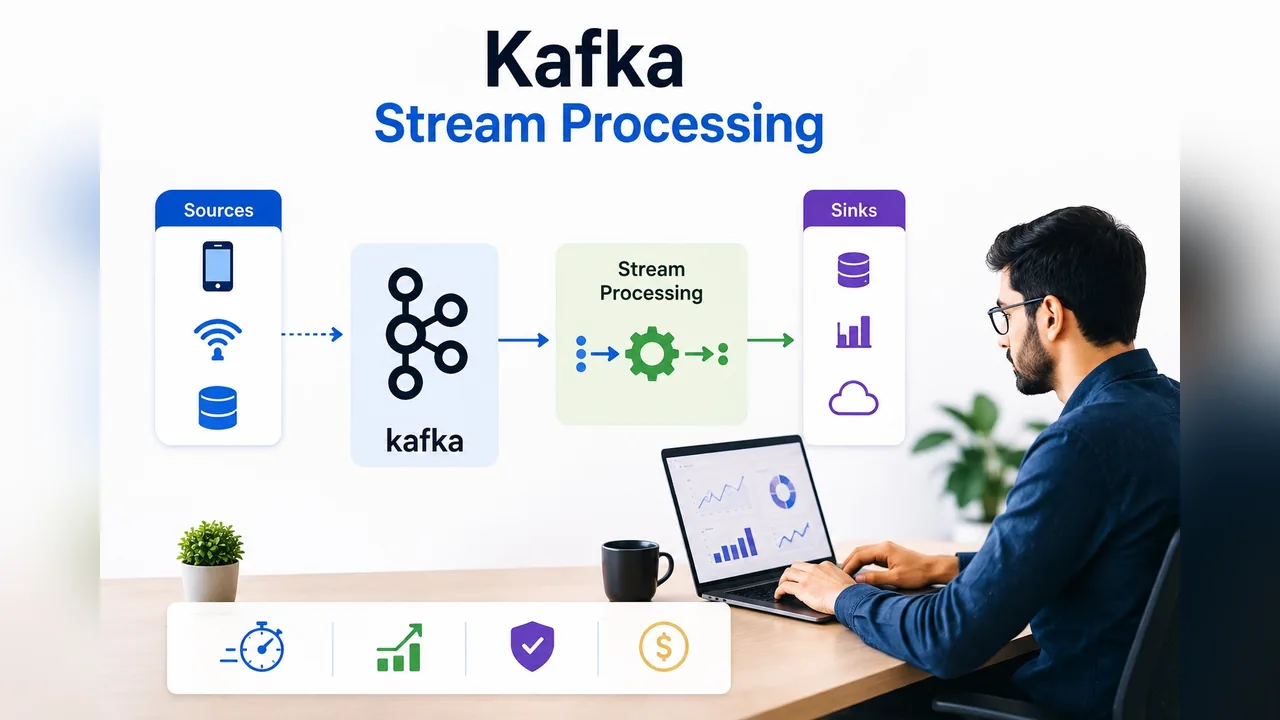
Kafka Stream Processing is an advanced-level live online course running 7 weeks (48 hrs), priced at $650 USD, taught by instructors in evening and weekend cohorts for learners in the US and Canada, with a certificate of completion.
Build real-time data pipelines with Apache Kafka — topics, producers, consumers, Kafka Connect and stream processing patterns used in modern event-driven architectures. What you will build: a producer/consumer application, a Connect-based data pipeline and a streaming analytics app. Tools and technologies: Apache Kafka, Kafka Connect, Kafka Streams, Schema Registry, Docker, Python/Java clients. Format: 48 hours of live, instructor-led online training over about 7 weeks, in evening and weekend cohorts for learners in the US and Canada, with hands-on labs, recorded sessions and mentor support. Career pathways: Data Engineer, Streaming Engineer, Backend Engineer, Platform Engineer. Resume review and interview guidance are available to all learners.
Course Highlights
- 48 hours of live instructor-led training
- Hands-on projects and real-world labs
- Tools: Apache Kafka, Kafka Connect, Kafka Streams
- Certificate of completion
- Career guidance for US & Canada job market
- Recorded sessions and mentor support
Minimum Requirements
- Programming in Python or Java
- Laptop or desktop with stable internet
Who is this for ?
- Backend and data engineers building pipelines
- Developers adopting event-driven design
- Platform teams operating Kafka
Curriculum
Course Curriculum
5 modules · 20 topics0 hours total
- 1Logs and topics
- 2partitions
- 3brokers
- 4delivery guarantees
Industry-Recognized
Certification
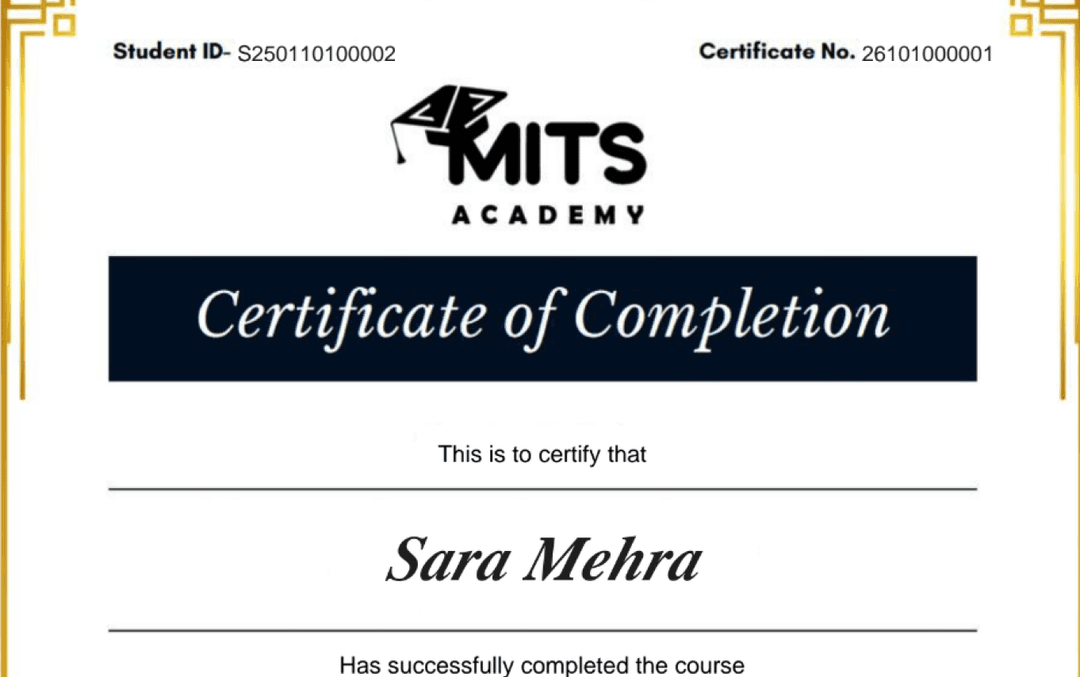
Upon successful completion, you receive a certificate of completion for the Kafka Stream Processing program that you can share with employers and add to your LinkedIn profile — a record of the hands-on skills and projects you completed.
- Verifiable ID: Unique credential link for LinkedIn.
- Skill Validation: Proof of hands-on project completion.
- Corporate Branding: CO-branded with your company logo.
Student Reviews
Why learn this online
Data analytics is one of the most accessible entry points into a tech career because the core tools — SQL, spreadsheets, and BI platforms like Power BI or Tableau — are learnable in months and do not require heavy programming. Learning online in a live cohort keeps you accountable while you build a portfolio of dashboards and analyses that prove your ability to turn data into decisions.
Who this is for
- ✓Business and operations professionals
- ✓Non-coders wanting a data career
- ✓Career switchers who want a faster on-ramp
Career outcomes
- Data Analyst
- Business Intelligence Analyst
- Analytics Engineer
- Reporting Analyst
Frequently asked questions
How much does the Kafka Stream Processing course cost?
The Kafka Stream Processing course costs $650 (USD) for 7 Weeks (48 hrs) of live, instructor-led online training. The fee covers live classes, recorded sessions, hands-on projects, mentor support and the certificate of completion.
What projects will I build in Kafka Stream Processing?
You will build a producer/consumer application, a Connect-based data pipeline and a streaming analytics app.
Which tools and technologies does Kafka Stream Processing cover?
Kafka Stream Processing covers Apache Kafka, Kafka Connect, Kafka Streams, Schema Registry, Docker, Python/Java clients.
Is the Kafka Stream Processing course online or in person?
The Kafka Stream Processing program is delivered live and online with instructor-led sessions, so you can join from anywhere in the US, Canada, or beyond. Sessions are interactive and recordings are available for review.
How long is the Kafka Stream Processing course?
The Kafka Stream Processing program runs for 7 Weeks (48 hrs). Cohorts are scheduled in the evenings and on weekends to fit around a full-time job.
What level is the Kafka Stream Processing course — is it suitable for beginners?
The Kafka Stream Processing program is pitched at a advanced level. Some prior familiarity helps, and the curriculum builds toward job-ready skills.
Do I get a certificate after completing Kafka Stream Processing?
Yes — you receive a verifiable certificate of completion for the Kafka Stream Processing program, which you can share with employers and add to your LinkedIn profile.
Does the Kafka Stream Processing course include placement or career support?
Yes. MITS Edge programs include career support — resume reviews, mock interviews, and job-search guidance aligned to the US and Canadian hiring markets.
Do I need any prior experience to join Kafka Stream Processing?
Recommended prerequisites: Programming in Python or Java; Laptop or desktop with stable internet.
Do I need to code to work in data analytics?
Not heavily. The essentials are SQL, spreadsheets, and a BI tool. Light Python helps for larger datasets but is not required to get started or hired.
How is data analytics different from data science?
Analytics focuses on interpreting existing data to answer business questions, while data science builds predictive models. Analytics is a common, lower-barrier first step toward data science.
Related Courses
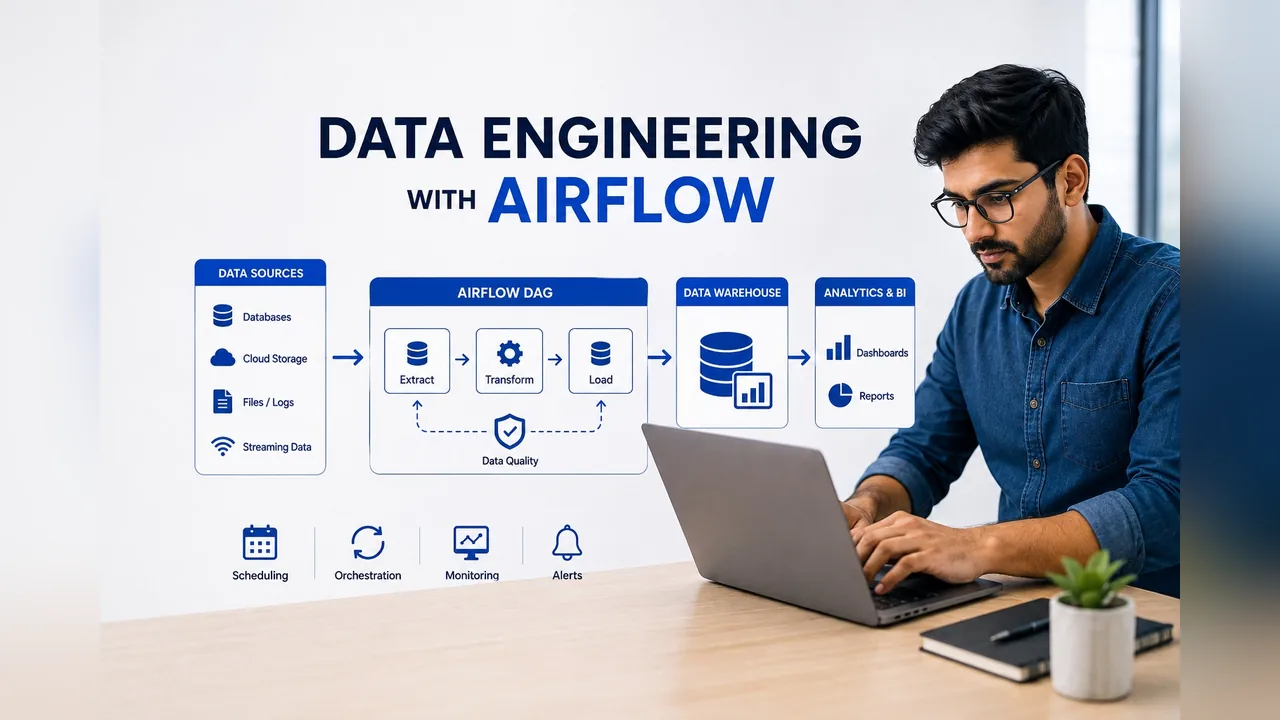
Data Engineering with Apache Airflow
Design, schedule and monitor reliable data pipelines with Apache Airflow, and learn the core data engineering practices behind modern ELT workflows.
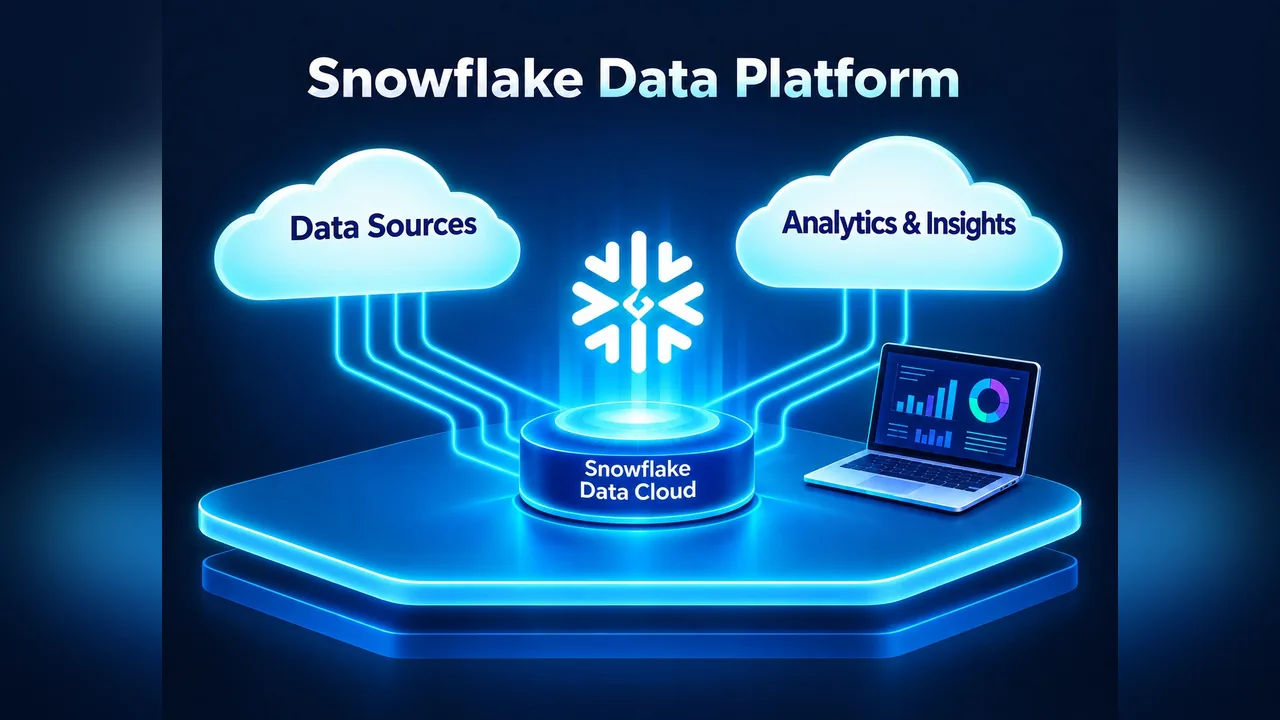
Snowflake Data Platform
Learn the Snowflake Data Cloud — architecture, loading and transforming data, security and performance — and be ready to work on modern cloud data warehouses.

Google BigQuery Analytics
Analyse massive datasets with Google BigQuery using standard SQL, partitioning and BI integrations, and learn to control query cost on the Google Cloud platform.
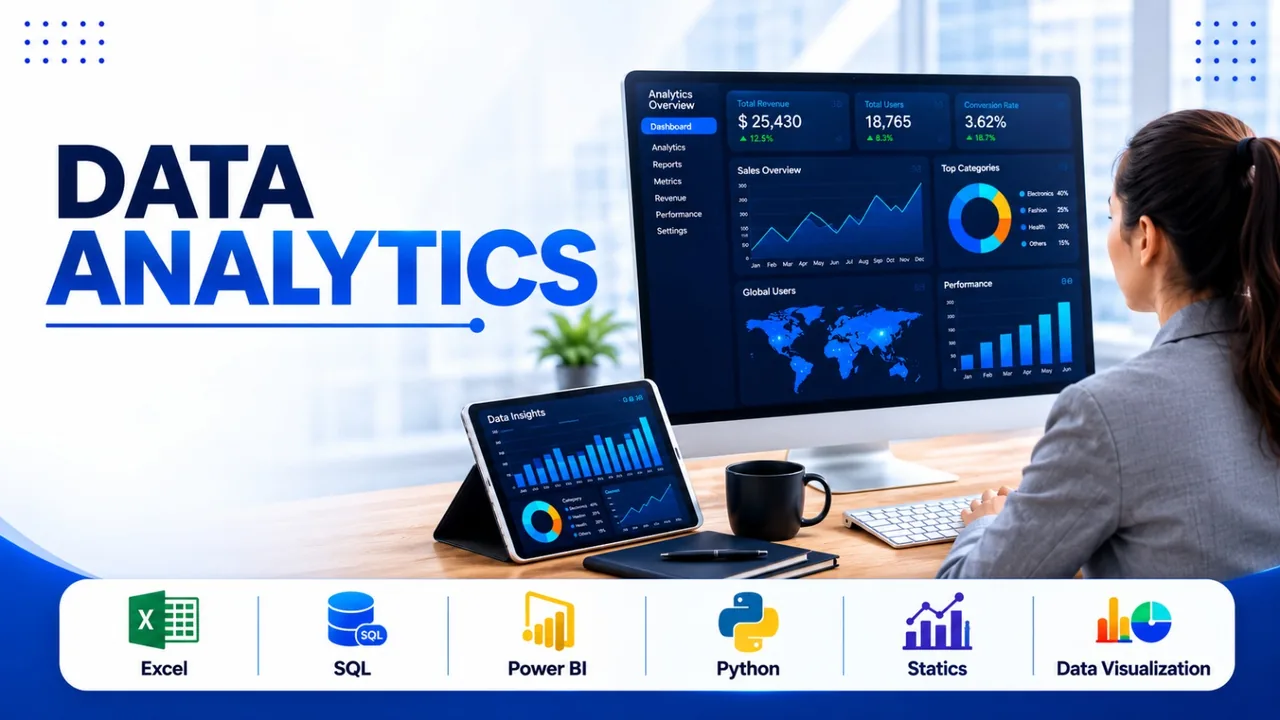
Data Analytics – Career Program
A complete data analytics career track — Excel, SQL, Python, Power BI and Tableau — taught through business case studies and finishing with a portfolio you can bring to interviews.