
Master Network Security Fundamentals
Understand how to protect networks — secure design, firewalls, VPNs, wireless and traffic analysis — with practical labs for IT and security roles.
Start Learning
Join learners who transformed their careers with MITS Edge.
Program Overview
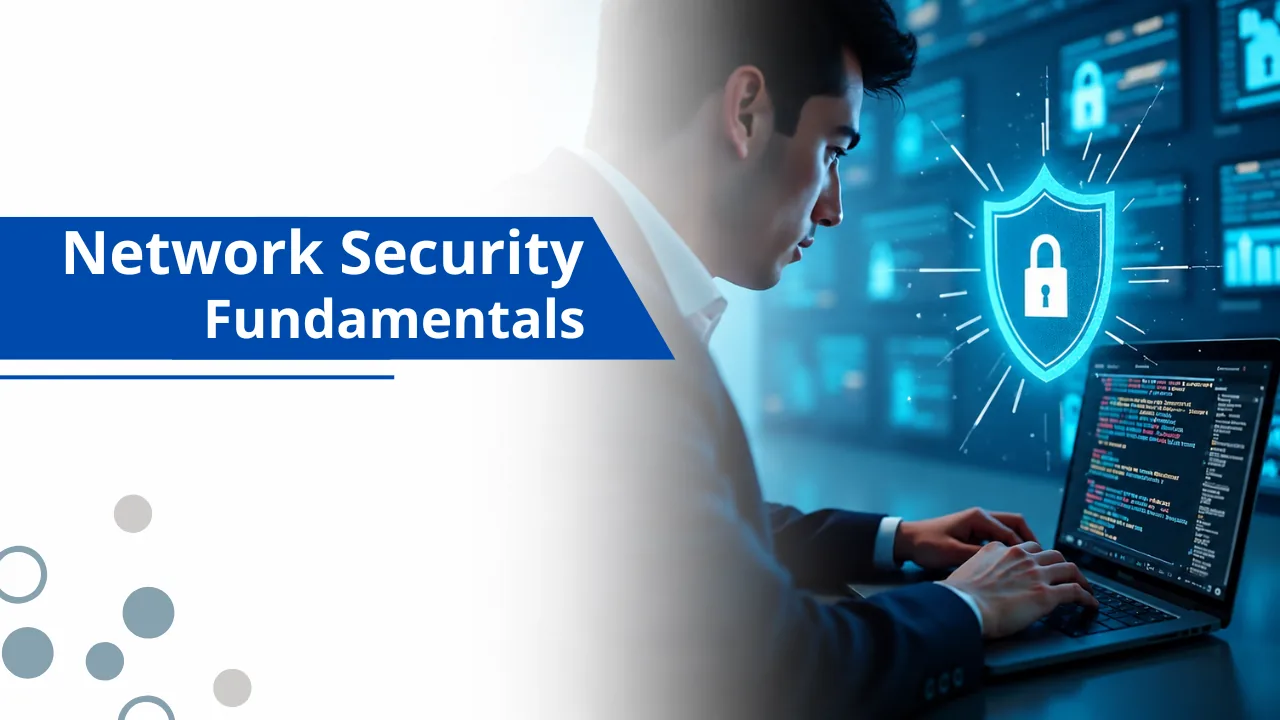
Network Security Fundamentals is a beginner-level live online course running 6 weeks (42 hrs), priced at $500 USD, taught by instructors in evening and weekend cohorts for learners in the US and Canada, with a certificate of completion.
Understand how to protect networks — secure design, firewalls, VPNs, wireless and traffic analysis — with practical labs for IT and security roles. What you will build: a segmented network design with firewall rules and a Wireshark traffic-analysis report. Tools and technologies: Wireshark, Cisco Packet Tracer, pfSense, Nmap, OpenVPN, Snort (intro). Format: 42 hours of live, instructor-led online training over about 6 weeks, in evening and weekend cohorts for learners in the US and Canada, with hands-on labs, recorded sessions and mentor support. Career pathways: Network Security Associate, Network Administrator (junior), Security Support Analyst, NOC Technician. Resume review and interview guidance are available to all learners.
Course Highlights
- 42 hours of live instructor-led training
- Hands-on labs and guided mini projects
- Tools: Wireshark, Cisco Packet Tracer, pfSense
- Certificate of completion
- Career guidance for US & Canada job market
- Recorded sessions and mentor support
Minimum Requirements
- No prior experience required
- Laptop or desktop with stable internet
Who is this for ?
- Beginners in IT networking
- Helpdesk staff moving into security
- Students preparing for security certifications
Curriculum
Course Curriculum
5 modules · 17 topics0 hours total
- 1OSI and TCP/IP
- 2addressing
- 3switching and routing
Industry-Recognized
Certification
Upon successful completion, you receive a certificate of completion for the Network Security Fundamentals program that you can share with employers and add to your LinkedIn profile — a record of the hands-on skills and projects you completed.
- Verifiable ID: Unique credential link for LinkedIn.
- Skill Validation: Proof of hands-on project completion.
- Corporate Branding: CO-branded with your company logo.

Student Reviews
Why learn this online
Cybersecurity has a persistent, well-documented shortage of qualified professionals, which keeps demand high for motivated newcomers. Learning online through live sessions and hands-on labs lets you build networking and security fundamentals, practice with real tools, and work toward CompTIA Security+ — the combination that opens entry-level SOC analyst roles.
Who this is for
- ✓Detail-oriented, process-driven learners
- ✓IT professionals moving into security
- ✓Career switchers from compliance or audit
Career outcomes
- Security Analyst
- SOC Analyst
- Information Security Associate
- GRC Analyst
Frequently asked questions
How much does the Network Security Fundamentals course cost?
The Network Security Fundamentals course costs $500 (USD) for 6 Weeks (42 hrs) of live, instructor-led online training. The fee covers live classes, recorded sessions, hands-on projects, mentor support and the certificate of completion.
What projects will I build in Network Security Fundamentals?
You will build a segmented network design with firewall rules and a Wireshark traffic-analysis report.
Which tools and technologies does Network Security Fundamentals cover?
Network Security Fundamentals covers Wireshark, Cisco Packet Tracer, pfSense, Nmap, OpenVPN, Snort (intro).
Is the Network Security Fundamentals course online or in person?
The Network Security Fundamentals program is delivered live and online with instructor-led sessions, so you can join from anywhere in the US, Canada, or beyond. Sessions are interactive and recordings are available for review.
How long is the Network Security Fundamentals course?
The Network Security Fundamentals program runs for 6 Weeks (42 hrs). Cohorts are scheduled in the evenings and on weekends to fit around a full-time job.
What level is the Network Security Fundamentals course — is it suitable for beginners?
The Network Security Fundamentals program is pitched at a beginner level. It is designed to be accessible to newcomers, starting from fundamentals.
Do I get a certificate after completing Network Security Fundamentals?
Yes — you receive a verifiable certificate of completion for the Network Security Fundamentals program, which you can share with employers and add to your LinkedIn profile.
Does the Network Security Fundamentals course include placement or career support?
Yes. MITS Edge programs include career support — resume reviews, mock interviews, and job-search guidance aligned to the US and Canadian hiring markets.
Do I need any prior experience to join Network Security Fundamentals?
Recommended prerequisites: No prior experience required; Laptop or desktop with stable internet.
Can I get into cybersecurity without experience?
Yes. Many enter through an adjacent IT role or by building a strong lab portfolio. A SOC analyst position is the most common entry point.
What certification matters most for security?
CompTIA Security+ is the most widely recognized entry credential, with Network+ helpful first if you are new to IT.
Related Courses
Certified Ethical Hacker (CEH) Prep
Structured preparation for the EC-Council Certified Ethical Hacker exam, covering every CEH domain with hands-on labs, tool practice and exam-style questions.

OWASP Web Application Security
Learn to find and fix the most common web vulnerabilities using the OWASP Top 10 — a must-have skill for developers, testers and application-security analysts.

SOC Analyst Training
Train for a Security Operations Center role — SIEM monitoring, alert triage, threat hunting basics and incident handling — using realistic log data and attack scenarios.

Digital Forensics & Incident Response
Learn to investigate security incidents — evidence handling, disk and memory forensics, log analysis and incident response — and document findings that stand up to scrutiny.