Master Data Science Program
A focused data science program that teaches the core workflow — clean, explore, model, communicate — using Python and scikit-learn on realistic datasets.
Start Learning
Join learners who transformed their careers with MITS Edge.
Program Overview
Data Science Program is an intermediate-level live online course running 15 weeks (108 hrs), priced at $1,300 USD, taught by instructors in evening and weekend cohorts for learners in the US and Canada, with a certificate of completion.
A focused data science program that teaches the core workflow — clean, explore, model, communicate — using Python and scikit-learn on realistic datasets. What you will build: a housing-price regression model, a customer-segmentation analysis and a classification capstone. Tools and technologies: Python, Pandas, NumPy, scikit-learn, Matplotlib, SQL, Jupyter. Format: 108 hours of live, instructor-led online training over about 15 weeks, in evening and weekend cohorts for learners in the US and Canada, with hands-on labs, recorded sessions and mentor support. Career pathways: Junior Data Scientist, Data Analyst, Business Analyst. Resume review and interview guidance are available to all learners.
Course Highlights
- 108 hours of live instructor-led training
- Hands-on projects and real-world labs
- Tools: Python, Pandas, NumPy
- Certificate of completion
- Career guidance for US & Canada job market
- Recorded sessions and mentor support
Minimum Requirements
- Basic Python or programming exposure
- Laptop or desktop with stable internet
Who is this for ?
- Analysts adding machine learning skills
- Graduates building a data science portfolio
- Engineers exploring data careers
Curriculum
Course Curriculum
5 modules · 22 topics0 hours total
- 1Python refresher
- 2NumPy arrays
- 3Pandas data frames
- 4data cleaning
Industry-Recognized
Certification
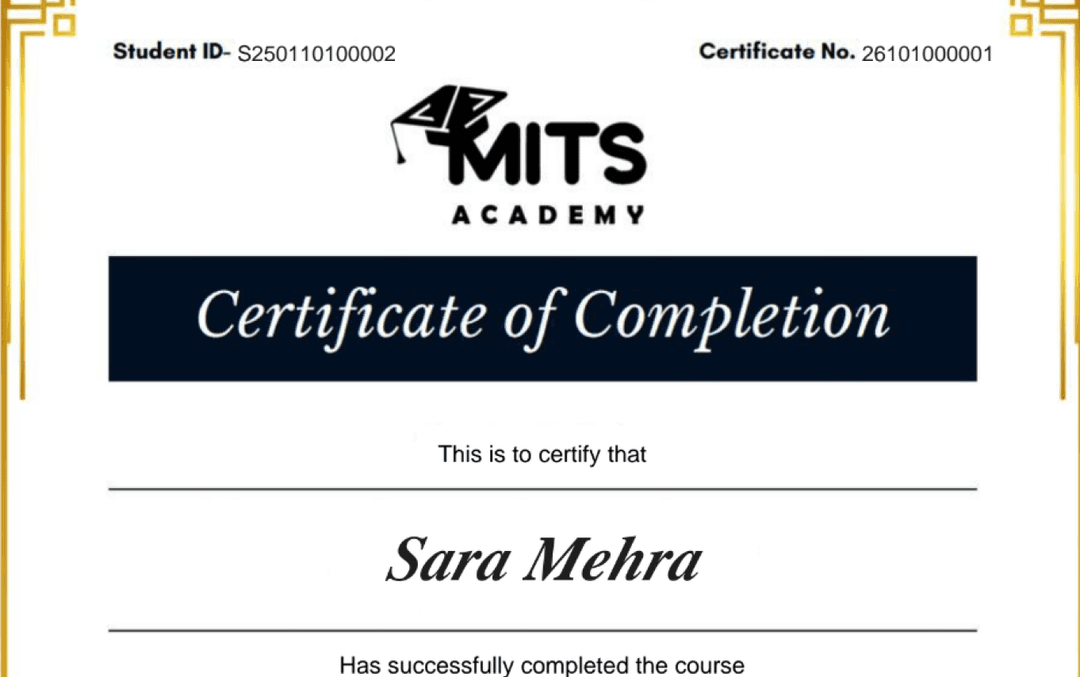
Upon successful completion, you receive a certificate of completion for the Data Science Program program that you can share with employers and add to your LinkedIn profile — a record of the hands-on skills and projects you completed.
- Verifiable ID: Unique credential link for LinkedIn.
- Skill Validation: Proof of hands-on project completion.
- Corporate Branding: CO-branded with your company logo.
Student Reviews
Why learn this online
AI and data science are among the fastest-growing, highest-value skill sets in the technology market. Learning them online, through live instructor-led sessions and hands-on projects, lets you build practical experience with Python, statistics, and machine learning while keeping your current job. Because the field rewards demonstrated ability over credentials, a strong project portfolio built during the course is what employers actually respond to.
Who this is for
- ✓Analytical professionals who enjoy math and code
- ✓Analysts wanting to move into modeling and AI
- ✓Career switchers targeting high-ceiling data roles
Career outcomes
- Data Scientist
- Machine Learning Engineer
- AI Engineer
- Data Analyst (advanced)
Frequently asked questions
How much does the Data Science Program course cost?
The Data Science Program course costs $1,300 (USD) for 15 Weeks (108 hrs) of live, instructor-led online training. The fee covers live classes, recorded sessions, hands-on projects, mentor support and the certificate of completion.
What projects will I build in Data Science Program?
You will build a housing-price regression model, a customer-segmentation analysis and a classification capstone.
Which tools and technologies does Data Science Program cover?
Data Science Program covers Python, Pandas, NumPy, scikit-learn, Matplotlib, SQL, Jupyter.
Is the Data Science Program course online or in person?
The Data Science Program program is delivered live and online with instructor-led sessions, so you can join from anywhere in the US, Canada, or beyond. Sessions are interactive and recordings are available for review.
How long is the Data Science Program course?
The Data Science Program program runs for 15 Weeks (108 hrs). Cohorts are scheduled in the evenings and on weekends to fit around a full-time job.
What level is the Data Science Program course — is it suitable for beginners?
The Data Science Program program is pitched at a intermediate level. Some prior familiarity helps, and the curriculum builds toward job-ready skills.
Do I get a certificate after completing Data Science Program?
Yes — you receive a verifiable certificate of completion for the Data Science Program program, which you can share with employers and add to your LinkedIn profile.
Does the Data Science Program course include placement or career support?
Yes. MITS Edge programs include career support — resume reviews, mock interviews, and job-search guidance aligned to the US and Canadian hiring markets.
Do I need any prior experience to join Data Science Program?
Recommended prerequisites: Basic Python or programming exposure; Laptop or desktop with stable internet.
Do I need a math background for AI and data science?
Comfort with basic math helps, but the fundamentals — statistics and the math behind common models — are taught as part of a structured program. What matters most is consistent practice and building real projects.
Is Python required for AI and data science?
Yes, Python is the core language of the field. A good course starts from Python fundamentals and builds up to data libraries and machine learning, so you can start even if you are new to coding.
Related Courses
Data Science with Python
Hands-on Python for data science — the libraries, workflow and modelling techniques used daily by working data scientists, from first notebook to first model.
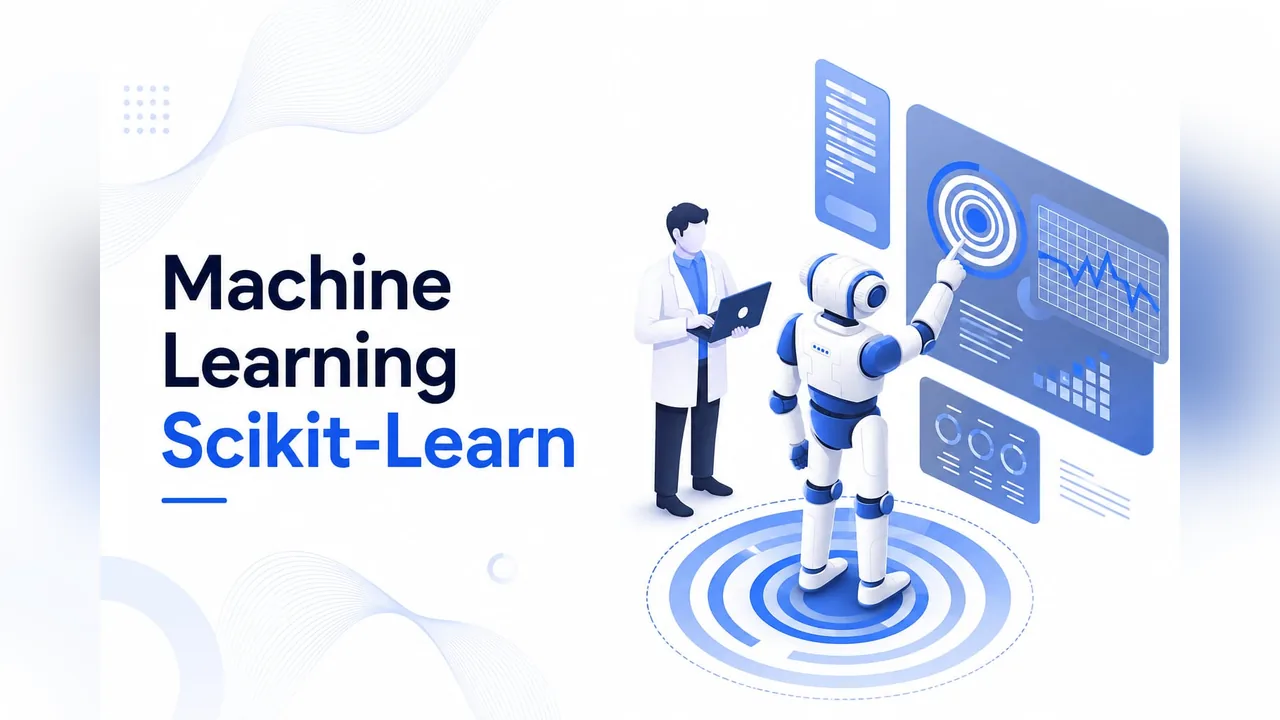
Machine Learning with Scikit-Learn
Build, tune and evaluate classical machine learning models with scikit-learn, with a strong focus on feature engineering, validation and avoiding common modelling mistakes.
Deep Learning with TensorFlow
Learn to design, train and deploy neural networks with TensorFlow and Keras — from dense networks to CNNs and sequence models — with practical tuning and debugging skills.
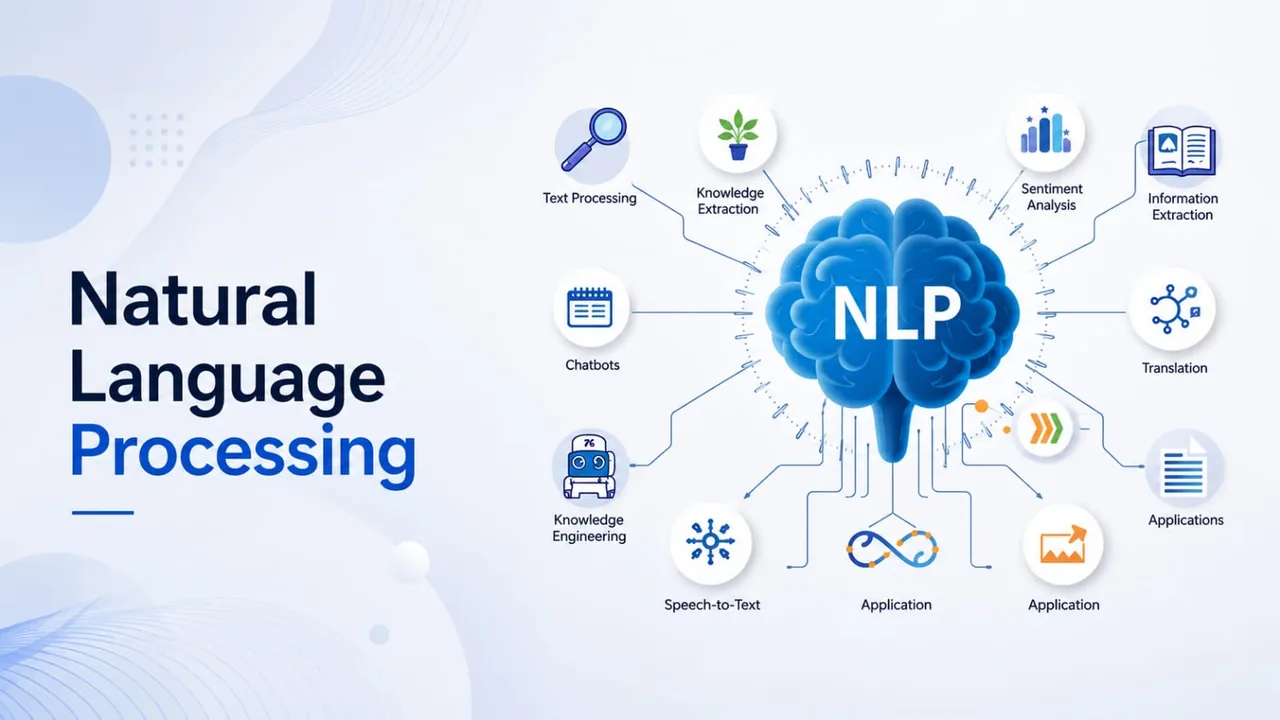
Natural Language Processing
Practical NLP from text preprocessing to transformers: build classifiers, entity extractors and search systems, and learn how modern language models actually work.