
Master Ethical Hacking – Essential
An accessible introduction to ethical hacking — how attackers think, the phases of a penetration test and the core tools — practised only in isolated, legal lab environments.
Start Learning
Join learners who transformed their careers with MITS Edge.
Program Overview

Ethical Hacking – Essential is a beginner-level live online course running 6 weeks (42 hrs), priced at $500 USD, taught by instructors in evening and weekend cohorts for learners in the US and Canada, with a certificate of completion.
An accessible introduction to ethical hacking — how attackers think, the phases of a penetration test and the core tools — practised only in isolated, legal lab environments. What you will build: a reconnaissance report and a guided exploitation lab on intentionally vulnerable machines. Tools and technologies: Kali Linux, Nmap, Wireshark, Burp Suite (Community), Metasploit (intro), VirtualBox. Format: 42 hours of live, instructor-led online training over about 6 weeks, in evening and weekend cohorts for learners in the US and Canada, with hands-on labs, recorded sessions and mentor support. Career pathways: Junior Security Analyst, IT Security Associate, Penetration Tester (entry), Security Support. Resume review and interview guidance are available to all learners.
Course Highlights
- 42 hours of live instructor-led training
- Hands-on labs and guided mini projects
- Tools: Kali Linux, Nmap, Wireshark
- Certificate of completion
- Career guidance for US & Canada job market
- Recorded sessions and mentor support
Minimum Requirements
- No prior experience required
- Laptop or desktop with stable internet
Who is this for ?
- Beginners curious about hacking careers
- IT staff wanting to understand attacker techniques
- Students starting a security path
Curriculum
Course Curriculum
5 modules · 17 topics0 hours total
- 1Legal and ethical boundaries
- 2scope and authorisation
- 3building a safe lab
Industry-Recognized
Certification
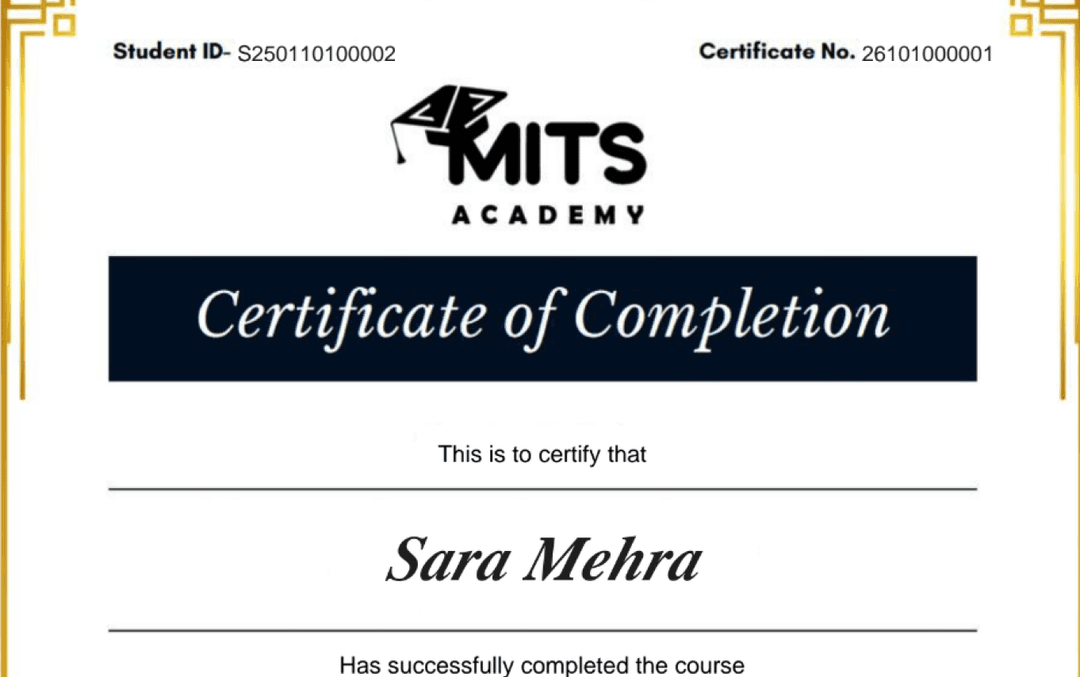
Upon successful completion, you receive a certificate of completion for the Ethical Hacking – Essential program that you can share with employers and add to your LinkedIn profile — a record of the hands-on skills and projects you completed.
- Verifiable ID: Unique credential link for LinkedIn.
- Skill Validation: Proof of hands-on project completion.
- Corporate Branding: CO-branded with your company logo.
Student Reviews
Why learn this online
Cybersecurity has a persistent, well-documented shortage of qualified professionals, which keeps demand high for motivated newcomers. Learning online through live sessions and hands-on labs lets you build networking and security fundamentals, practice with real tools, and work toward CompTIA Security+ — the combination that opens entry-level SOC analyst roles.
Who this is for
- ✓Detail-oriented, process-driven learners
- ✓IT professionals moving into security
- ✓Career switchers from compliance or audit
Career outcomes
- Security Analyst
- SOC Analyst
- Information Security Associate
- GRC Analyst
Frequently asked questions
How much does the Ethical Hacking – Essential course cost?
The Ethical Hacking – Essential course costs $500 (USD) for 6 Weeks (42 hrs) of live, instructor-led online training. The fee covers live classes, recorded sessions, hands-on projects, mentor support and the certificate of completion.
What projects will I build in Ethical Hacking – Essential?
You will build a reconnaissance report and a guided exploitation lab on intentionally vulnerable machines.
Which tools and technologies does Ethical Hacking – Essential cover?
Ethical Hacking – Essential covers Kali Linux, Nmap, Wireshark, Burp Suite (Community), Metasploit (intro), VirtualBox.
Is the Ethical Hacking – Essential course online or in person?
The Ethical Hacking – Essential program is delivered live and online with instructor-led sessions, so you can join from anywhere in the US, Canada, or beyond. Sessions are interactive and recordings are available for review.
How long is the Ethical Hacking – Essential course?
The Ethical Hacking – Essential program runs for 6 Weeks (42 hrs). Cohorts are scheduled in the evenings and on weekends to fit around a full-time job.
What level is the Ethical Hacking – Essential course — is it suitable for beginners?
The Ethical Hacking – Essential program is pitched at a beginner level. It is designed to be accessible to newcomers, starting from fundamentals.
Do I get a certificate after completing Ethical Hacking – Essential?
Yes — you receive a verifiable certificate of completion for the Ethical Hacking – Essential program, which you can share with employers and add to your LinkedIn profile.
Does the Ethical Hacking – Essential course include placement or career support?
Yes. MITS Edge programs include career support — resume reviews, mock interviews, and job-search guidance aligned to the US and Canadian hiring markets.
Do I need any prior experience to join Ethical Hacking – Essential?
Recommended prerequisites: No prior experience required; Laptop or desktop with stable internet.
Can I get into cybersecurity without experience?
Yes. Many enter through an adjacent IT role or by building a strong lab portfolio. A SOC analyst position is the most common entry point.
What certification matters most for security?
CompTIA Security+ is the most widely recognized entry credential, with Network+ helpful first if you are new to IT.
Related Courses
Cyber Security Fundamentals
Learn the core concepts of cybersecurity — threats, controls, networks, identity and risk — a practical foundation for any security, IT or compliance career.

Ethical Hacking Course
A lab-intensive ethical hacking course covering the full penetration-testing lifecycle — from enumeration and exploitation to privilege escalation and reporting — on intentionally vulnerable systems.

Cloud Security & Compliance
Learn how to secure cloud environments and meet compliance requirements — identity, data protection, monitoring and governance across AWS and Azure.
Ethical Hacking & Penetration Testing
An advanced, hands-on pentesting program for network, web and Active Directory targets, with structured methodology, scripting and professional reporting.